DEEP DIVE · CHAPTER 22
The Object Rotates
Desire fades with repetition and returns the moment the object changes, so the drive was never used up; only its target wore out. The Chapter 22 Deep Dive shows what that means for tolerance, and why people trade one habit for the next.
Show a man the same film eighteen times and his body stops answering. Change the film and it all comes back in a second, which means nothing was ever used up. I want to show you what that single fact does to everything you have been told about desire, tolerance and why people swap one habit for the next.
15 pages · 15 references, every one verified · written by Dr. Gurpreet Singh Padda, MD, MBA, MHP
Watch Chapter 22
The chapter on video — the same argument, with the figures and the studies on screen as they come up.
The receipts behind Chapter 22
The book makes the argument. This Deep Dive shows the evidence, claim by claim: the study, who was in it, the number and where it sits in the paper, what it does not show — and the questions to bring to your own physician. It is written to be shared with your doctor.
Enter your name, email and mobile number. The Chapter 22 PDF arrives by email within a few minutes, and the other thirty Deep Dives arrive one a week, in order. We do not send marketing texts; your number is there so we can reply if you ask us something.
Frequently asked questions
Why do I crave novelty so much?
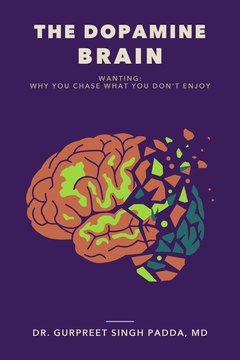
Because the drive was never used up; only its target wore out. Desire fades when the same thing repeats and comes back the moment the thing changes. Show a man the same film eighteen times and his body stops answering. Change the film and the response returns within a second. Chapter 22 of The Dopamine Brain explains what that means for tolerance.
Why do people swap one habit or addiction for another?
If repetition wears out the target and leaves the drive intact, then removing one target does not remove the drive. It simply goes looking for the next one. That is the thread Chapter 22 follows, from a single experiment on repeated films to the pattern of people trading one habit for the next.
Does tolerance mean desire is used up?
No. Tolerance looks like desire running out, but the film experiment shows otherwise: after eighteen showings the body stopped responding, yet a new film brought the full response back in a second. Nothing was spent. The Chapter 22 Deep Dive gives the 15 references behind this, each one verified, and what each study does not show.