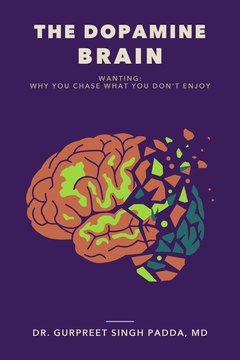
THE BRAIN SERIES · BOOK FOUR
You are not chasing pleasure.
You are chasing a prediction. That is a different problem, and it has a different treatment.
Dopamine was never the pleasure chemical.
I taught it the wrong way for years. Dopamine does not hand you enjoyment — it hands you the urge to go and get something, and it fires hardest when the world turns out better than you predicted. Wanting and liking run on different machinery, in different parts of the brain, and they come apart.
Once you can see that seam, a lot of behavior stops looking like a character defect. The person who cannot stop doing the thing they no longer enjoy is not weak. Their wanting circuit is intact and their liking circuit is not, and those are two separate findings with two separate answers.
Thirty-one chapters. Every claim referenced.
Learned behavior, motivation and mobilization, followed from a worm with three hundred nerve cells to the clinic. Behind each chapter is a Deep Dive — the studies, the sample sizes, the exact number and where it sits in the paper, and what the study does not show. Across the thirty-one, 417 pages and 577 references, every one verified.
0 · The Oldest Teacher
Older Than Pleasure
1 · The Pleasure Myth
Wanting Is Not Liking
2 · The Prediction Error
Surprise, Not Reward
3 · The Vigor Signal
Not Lazy. Priced Out.
4 · The Factory Line
Built, Not Stored
5 · The Two Keys
Two Locks, Opposite Answers
6 · The Movement Machine
The Hand Shakes Last
7 · The Wanting Circuit
Wanting Nothing At All
8 · The Inverted U
Focus Is a Dose
9 · The Milk Switch
The Milk Switch
10 · The Gut Makes Its Own
Your Gut Makes Dopamine
11 · The Vomit Trigger
A Hole On Purpose
12 · Pressure, Not Protection
Pressure, Not Protection
13 · The Immune Messenger
Immune Cells Hear Dopamine
14 · The Insulin Brake
The Insulin Brake
15 · The Calorie Detector
Your Gut Keeps Score
16 · The Direct Agonists
It Took the House
17 · The Trace Amines
The Cousins Nobody Measured
18 · The Counterfeit Keys
Speed, Not Occupancy
19 · The Blockade
Thirteen Points Wide
20 · The Opioid Detour
Pain, Not Pleasure
21 · The Hedonic Treadmill
Not the Phone Scare
22 · The Object Rotates
Not An Empty Tank
23 · The Lonely Striatum
Ten Hours Alone
24 · The Sleep-Starved Receptor
Sleep Debt Costs Receptors
25 · The Anti-Reward Hub
The Brain’s Brake
26 · The Pain-Dopamine Loop
A Loop, Not Personality
27 · Movement Is the Prescription
No Copay, No Label
28 · Hedonic Substitution
You Cannot Fast
29 · The Surrender
Stop Deciding Harder
30 · Why We Do What We Do When We Do
You Were Trained
They are written to be handed to your physician, not to replace them.
It tells you where the evidence is thin.
Reporting what a study does not show strengthens a claim rather than weakening it, because it tells you what the claim is standing on. Where the literature is mixed, the Deep Dives say so, name the trials that disagree, and describe the patients the trials excluded — who are often exactly the reader.
Frequently asked questions
Does dopamine actually cause pleasure?
No. Dopamine does not hand you enjoyment. It hands you the urge to go and get something, and it fires hardest when the world turns out better than you predicted. Pleasure, the liking, runs on different machinery in different parts of the brain. Dr. Padda taught it the wrong way for years, and The Dopamine Brain explains why wanting and liking come apart.
What does dopamine actually do?
Dopamine drives wanting. It creates the urge to go after something, and it signals surprise rather than reward: it fires hardest when an outcome beats your prediction. The book follows that learned behavior, motivation and mobilization from a worm with 302 nerve cells all the way to the clinic, across thirty-one chapters with every claim referenced.
Why do people keep doing things they no longer enjoy?
Because wanting and liking can come apart. In a person who cannot stop doing the thing they no longer enjoy, the wanting circuit is intact and the liking circuit is not. That is not weakness and it is not a character defect. They are two separate findings with two separate answers. You are chasing a prediction, not pleasure, and that problem has a different treatment.
Get your copy.
Thirty-one chapters, every claim referenced, and a Deep Dive behind each one.
Kindle and paperback, on Amazon.
Prefer to watch?
Every chapter has a video of its own, with the figures and the studies on screen as they come up. The first five are here; the other twenty-six sit on their chapter pages, and all thirty-one are on the Addictionology Center channel.
Chapter 0 — The Oldest Teacher
A worm with 302 nerve cells finds food and slows down, and eight of those cells are the reason.
Chapter 1 — The Pleasure Myth
I spent years watching patients chase something they had stopped enjoying, and calling it a willpower problem.
Chapter 2 — The Prediction Error
I spent twenty years explaining habits to patients who already understood them perfectly, and I could not work out why nothing changed.
Chapter 3 — The Vigor Signal
I hear the same sentence in my clinic every week: I know what I need to do, and I still can’t make myself.
Chapter 4 — The Factory Line
There is no tank of dopamine waiting inside you.
Who wrote this
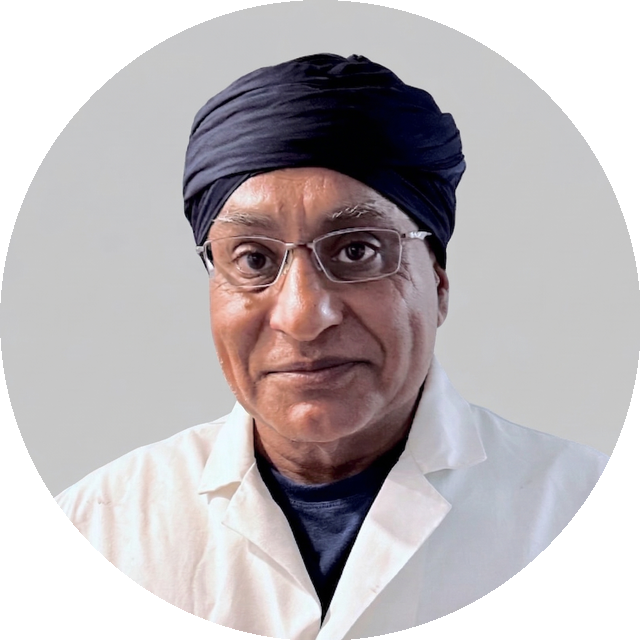
Dr. Gurpreet Singh Padda, MD, MBA, MHP is a physician specializing in interventional pain, addiction and regenerative medicine. His clinical work is built on a single principle: treat the terrain, not the symptom.
Most chronic disease — chronic pain, addiction, obesity and metabolic collapse among them — is downstream of failures that are measurable and modifiable. He tests what others assume, says plainly where the evidence is strong and where it is not, and builds one correction across the whole terrain rather than treating four problems separately.
He practices in St. Louis, Missouri.
If you are in the St. Louis area
The book will tell you what the circuit does and why it matters. It cannot tell you what yours is doing.
Dr. Padda sees patients in person in St. Louis. If you are elsewhere, take the Deep Dives to your own physician — that is what they were written for.
In-person evaluation · St. Louis, Missouri
“You are not weak. You were trained.”
The Brain
One terrain, the same standard of evidence. Each book stands alone; read together they are a single case.
The Starved Brain
The brain, and what it is built from. Ten chapters on what decades of quiet malnutrition do to an organ, in a population that has never missed a meal — and why so much of what gets called normal aging is a supply problem.
Published. Kindle and paperback. · thestarvedbrain.com
The Pained Brain
The nervous system, and why the pain outlasts the repair. Twenty-two chapters on why a worn joint and a convincing scan explain so little, and why chronic pain is so often a systemic metabolic failure that has chosen a joint to announce itself in. 2,291 references documented across its Deep Dives.
Published. Kindle and paperback. The Deep Dives are available now, one chapter at a time. · thepainedbrain.com
The Angry Gut
The gut, which supplies and inflames both of the above. Thirty-three chapters on the organ upstream of the other two books: what an inflamed, leaking, badly fed gut does to the brain that thinks and to the nervous system that hurts.
Published. Kindle and paperback. · theangrygut.com
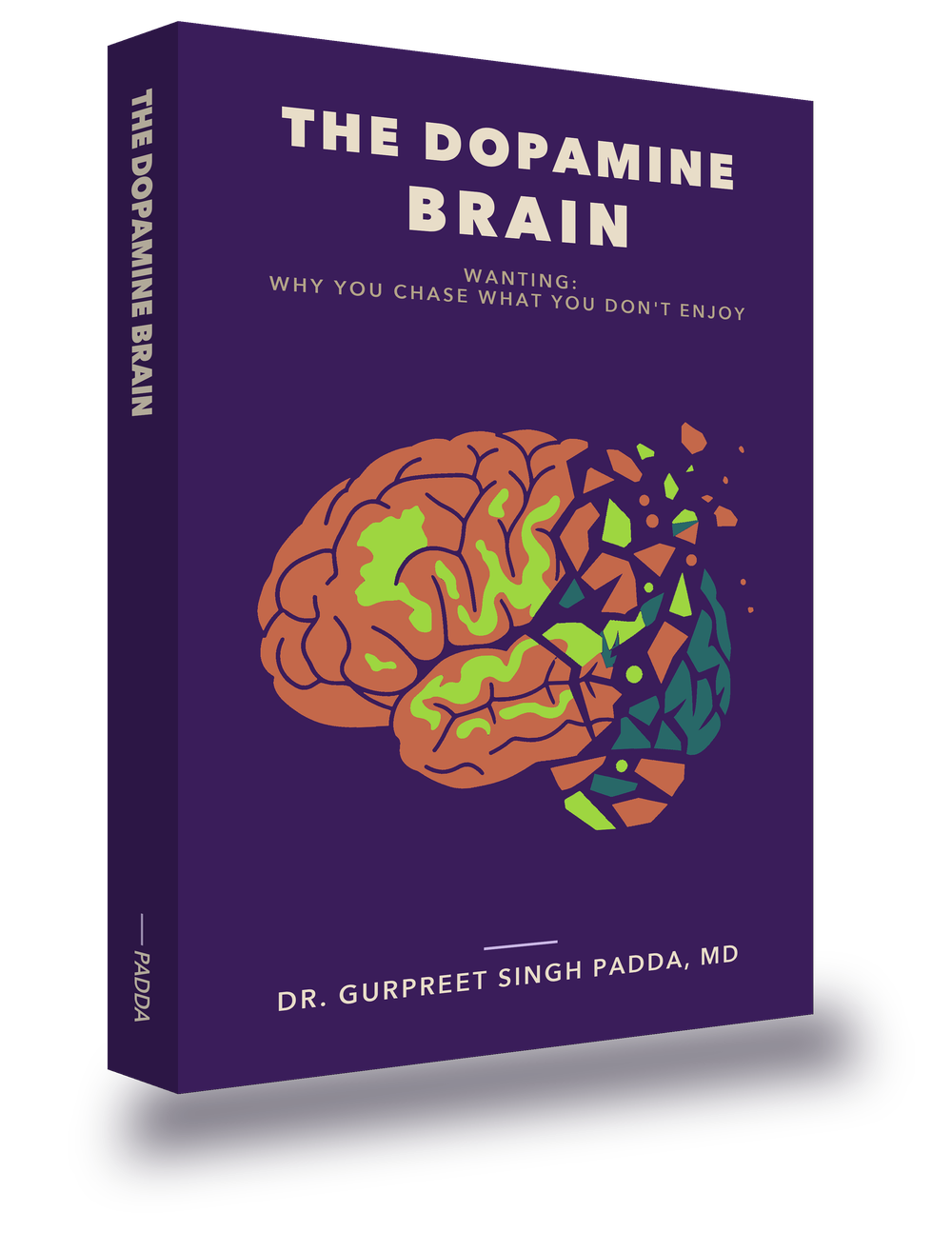
The Dopamine Brain — you are here
The reward system, and what it learned to want. Why we do what we do, when we do it: learned behavior, motivation, and what finally gets us to move.
Published. Kindle and paperback. · thedopaminebrain.com
The Humbled Brain
In progress. On limitation, and the admission that we are not in charge.
Book five, and the last in the series. Being written now. · thehumbledbrain.com
The terrain is one system, and it is the reason these are five books rather than five subjects. A brain starved of the materials it is built from, a nervous system left in a fire that never finished, a gut that feeds and inflames them both, a reward system that learned what to want and when to move, and a mind that has to admit it is not in charge are not five problems. They are one failure, read from five sides — which is how the body has it, even though one side at a time is how the reading has to work.