DEEP DIVE · CHAPTER 7
The Wanting Circuit
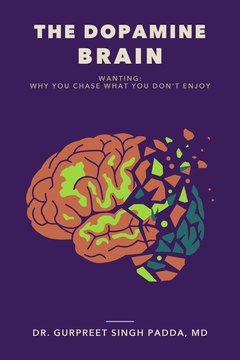
The dopamine reward circuit is the wanting circuit: it decides what is worth approaching. It can run too cold or too hot, and a patient labeled treatment resistant can have a drive problem, not a mood problem.
I have watched patients get called treatment resistant when the real problem was drive, not mood. In this chapter I walk you through the circuit that decides what is worth approaching, what happens when it runs too cold, and what happens when it runs too hot. I also tell you what a brain scan can and cannot say about the person sitting in front of me.
14 pages · 18 references, every one verified · written by Dr. Gurpreet Singh Padda, MD, MBA, MHP
Watch Chapter 7
The chapter on video — the same argument, with the figures and the studies on screen as they come up.
Frequently asked questions
What does the dopamine reward circuit do?
The dopamine reward circuit is the wanting circuit. It decides what is worth approaching and supplies the pull to go after it. That makes it a circuit of drive, not of mood, and it can run too cold or too hot. Chapter 7 walks through both directions and what each one looks like in the person sitting across from the doctor.
Can the brain’s reward system run too high or too low?
Yes. The circuit that decides what is worth approaching can run too cold or too hot, and the chapter walks through what happens in each case. Either way, the problem can sit in drive rather than in mood. That difference changes what a physician should be looking at.
Why do some patients get labeled treatment resistant?
Sometimes the label points at the wrong problem. The author has watched patients get called treatment resistant when the real problem was drive, not mood. Drive lives in the wanting circuit, the dopamine circuit that decides what is worth approaching, so a plan aimed only at mood can miss it. Chapter 7 lays out that circuit and what a brain scan can and cannot say about it.
The receipts behind Chapter 7
The book makes the argument. This Deep Dive shows the evidence, claim by claim: the study, who was in it, the number and where it sits in the paper, what it does not show — and the questions to bring to your own physician. It is written to be shared with your doctor.
Enter your name, email and mobile number. The Chapter 7 PDF arrives by email within a few minutes, and the other thirty Deep Dives arrive one a week, in order. We do not send marketing texts; your number is there so we can reply if you ask us something.
Educational material, not medical advice. If you are in the St. Louis area and want this looked at properly, that is what the Addictionology Center is for.